Dyeing
Home / Dyeing
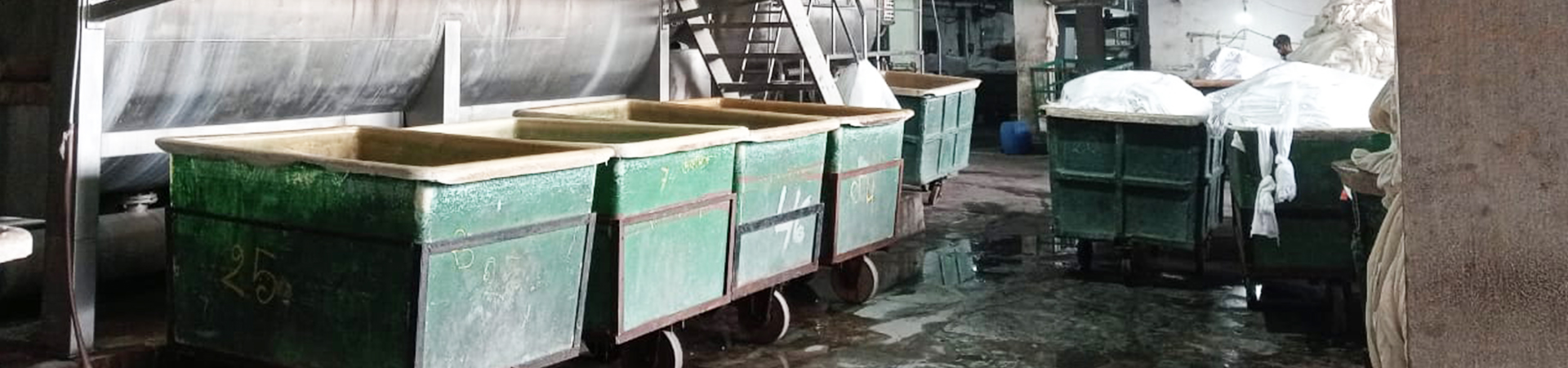
Dyeing Processing
The textile dyeing process involves placing a fabric in a dye bath, allowing the dye to adhere to the fabric, and then fixing the dye. The process can vary depending on the type of dye and fabric being used.
Steps
- The fabric: Wash the fabric if it's new.
- Mix the dye: Add liquid dye to a medium, like water, and mix to the desired color.
- Wet the fabric: Soak the fabric in the dye bath.
- Adsorb the dye: The dye sticks to the surface of the fabric.
- Diffuse the dye: The dye slowly moves into the fabric.
- Level out the dye: The dye moves around and spreads out evenly within the fabric.
- Fix the dye: The dye is chemically bonded to the fabric.
- Wash the fabric: Remove any excess dye with soap or detergent.
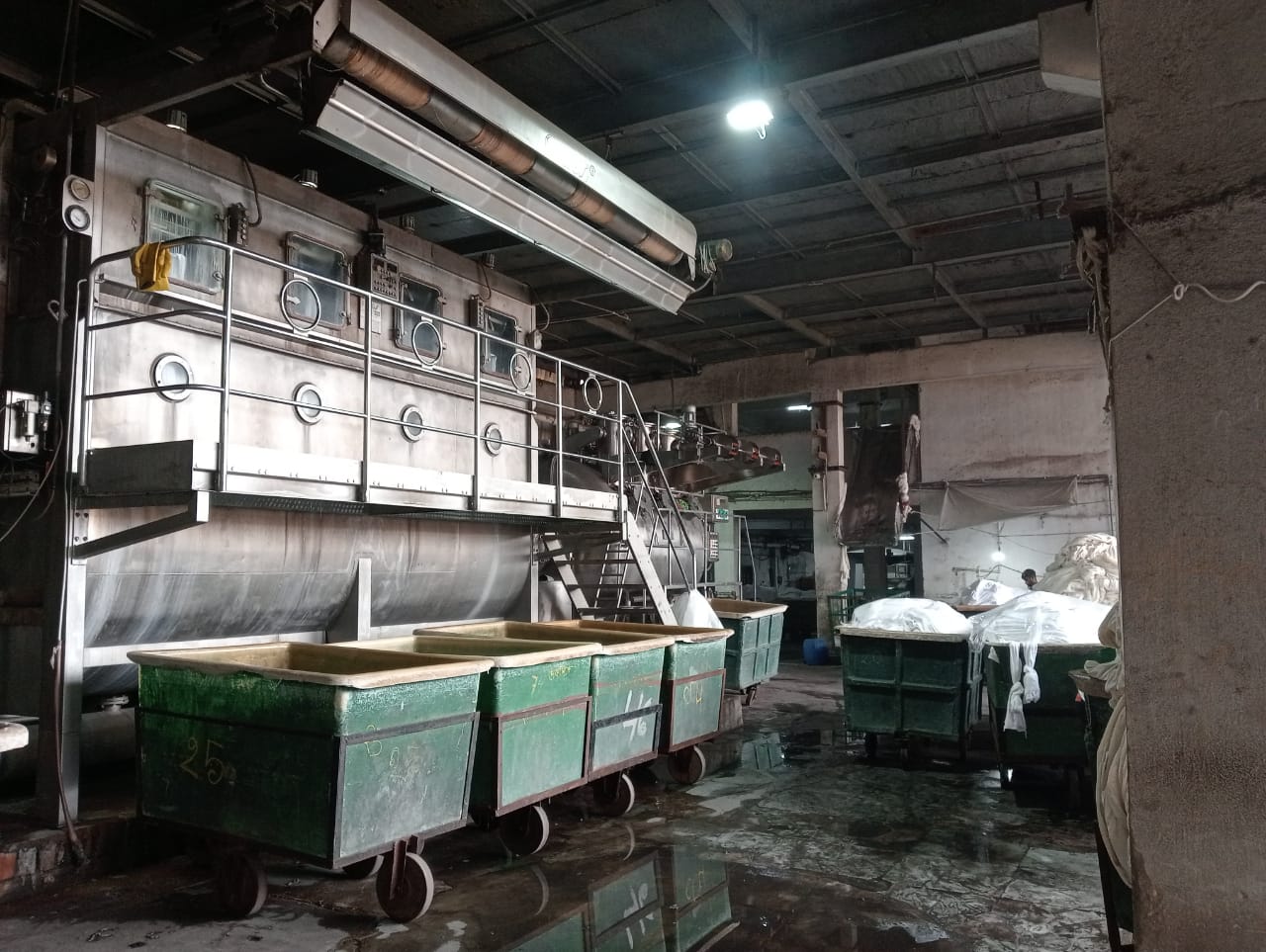
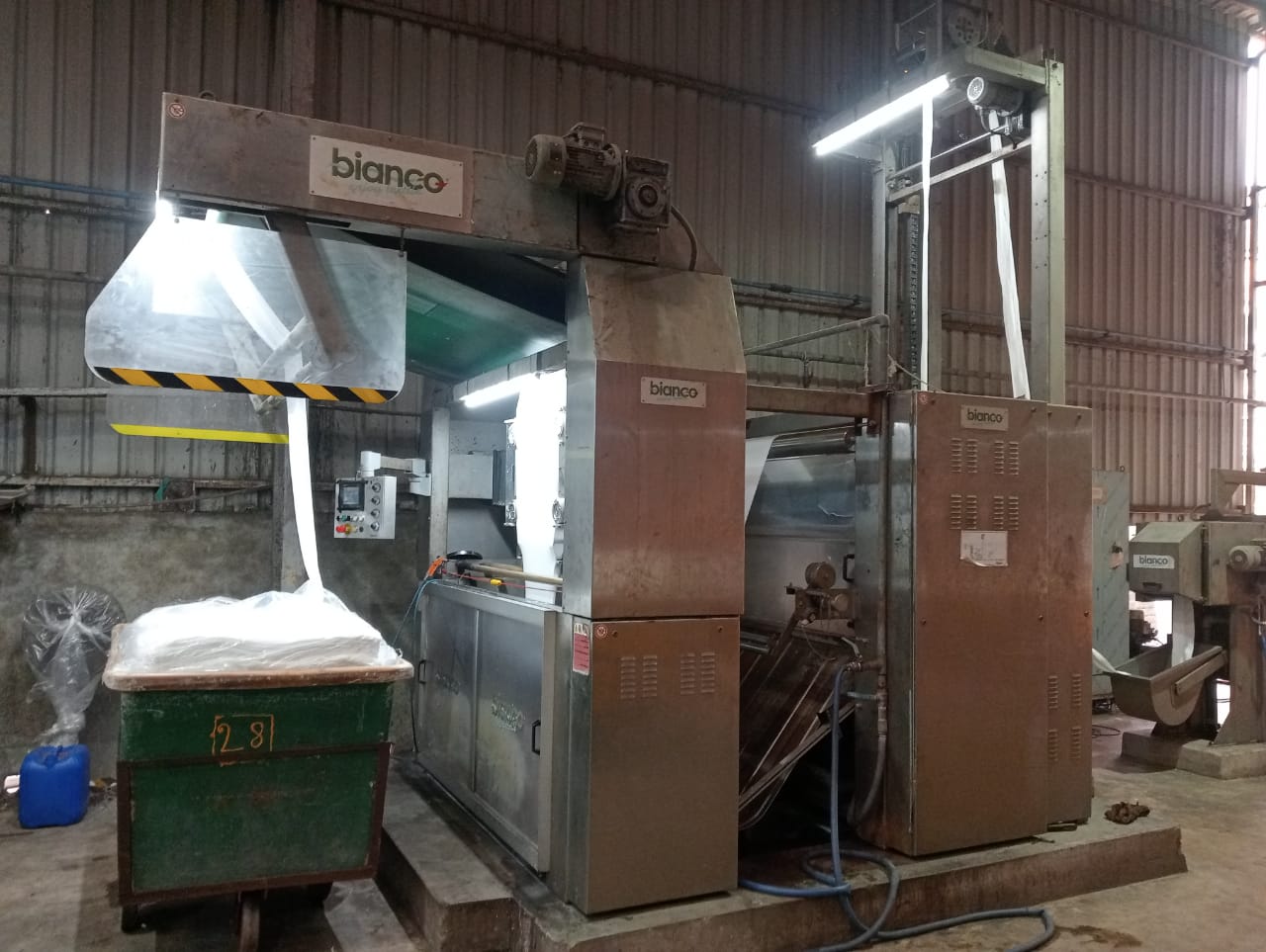
Types of dyes
- Reactive dyes: These dyes are applied to the fabric at high temperatures and pressures, and are used for cellulose fibers, wool, silk, and more.
- Vat dyes: These insoluble dyes are used for upholstery, towels, and shirts.
- Disperse dyes: These dyes are used for hydrophobic fibers like polyester, nylon, and cellulose acetate.
Types of dyeing techniques
- Resist dyeing: A resist agent, like wax or starch, is applied to the fabric before dyeing to create patterns. Batik and tie-dye are examples of resist dyeing.
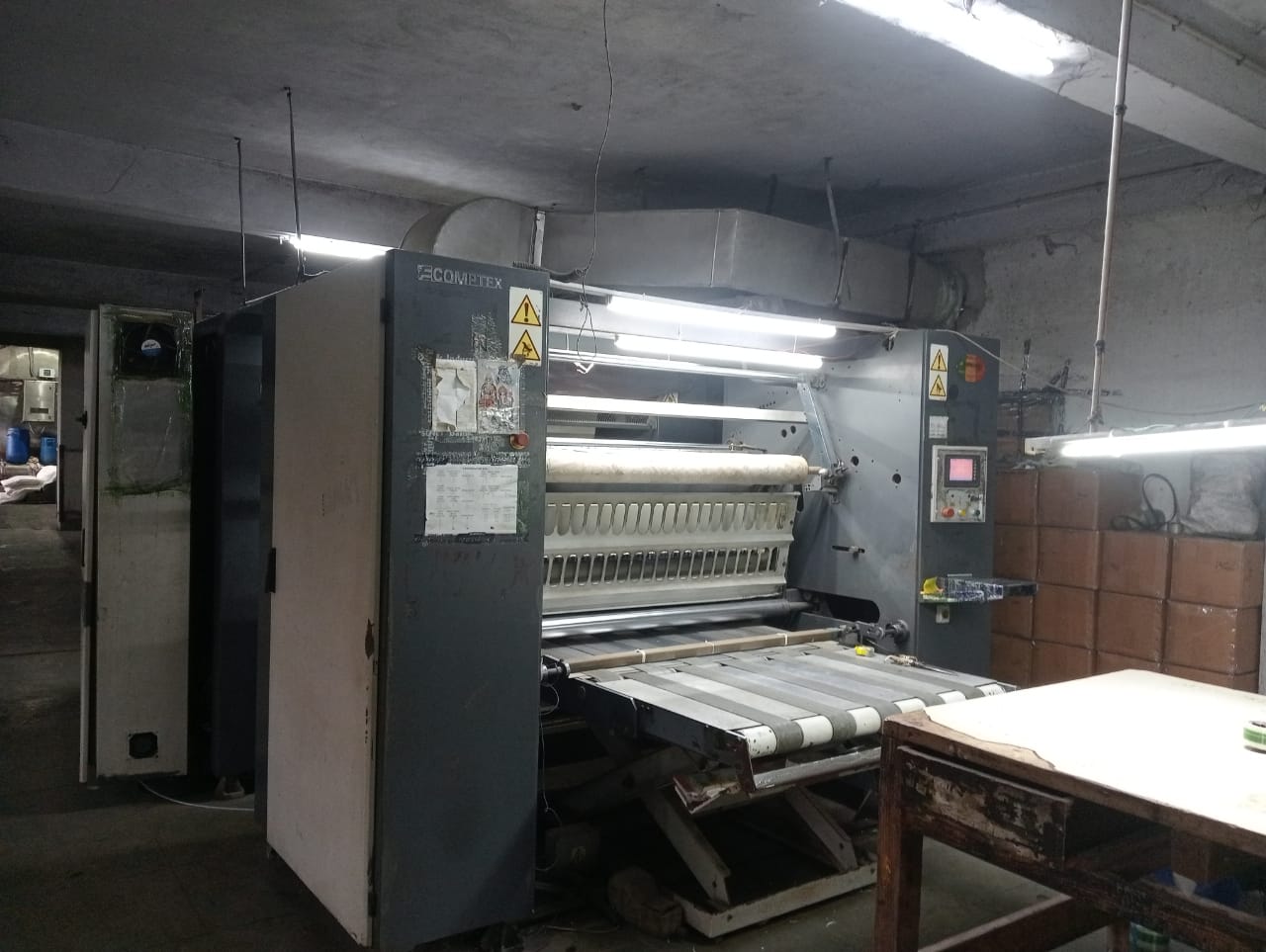

Threads to trends
Quick Links
Contact Us
© 2025 Banikindustries. All Rights Reserved. Website developed by ACCENDITORE SOFTWARE PVT LTD.